Why SabiVerse exists
Engineering projects in Africa rarely fail on engineering. They stall on trust, and trust starts with information people can check.
By SabiVerse editorial1 Oct 20261 min read
Why SabiVerse exists
Resource and engineering projects across Africa are often delayed not by technical failure but by an information gap. Communities living next to a mine, a refinery or a power plant are rarely told, in terms they can check, what is being built, why, and what it will mean for them. Where facts are missing, rumour and mistrust fill the space.
SabiVerse exists to close that gap. We pair a structured, sourced database of real projects with independent journalism and short films made in local voices, so a community member can both look up the facts and understand them.
Social license comes from transparency and an African voice, not from a press release.
Why now
Nigeria's median age is about 18. Roughly half the people alive there today will enter the workforce within a decade, on projects being planned right now. Around 27 million Nigerians use YouTube and around 37 million use TikTok, so video reaches people that text-based reporting cannot.
How it works
Every project entry passes seven checks before it is published:
- 1Source collection, with at least two independent sources per claim
- 2A cross-reference check, with contradictions documented
- 3Community verification, with a two-week feedback window
- 4Expert review for technical accuracy
- 5A conflict-of-interest check against our funders
- 6A publication vote by a majority-independent editorial board
- 7Publication with sources, verification date and known gaps disclosed
Independent by design
Every funder and every amount is disclosed. Staff financially tied to a funder that provides more than 20% of our budget may not report on that funder's projects. No exceptions: an independent journalist or board member covers the story instead.
Where we start
Phase 1 is a single case study taken all the way through: one verified database entry, one explainer film and a working question-and-answer search. Then five to ten projects in one region, and from there a continental database that also feeds engineering education.
Read next
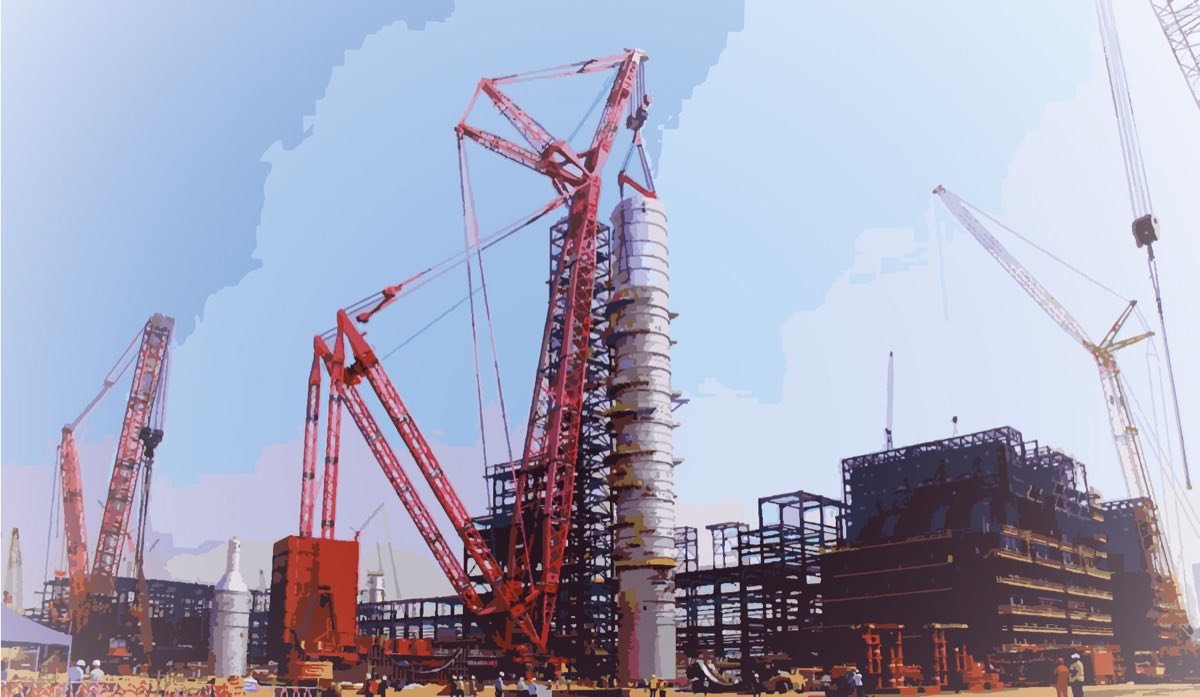
Field notes: Dangote Petroleum Refinery
Africa's largest oil refinery — reshaping energy independence on the continent.
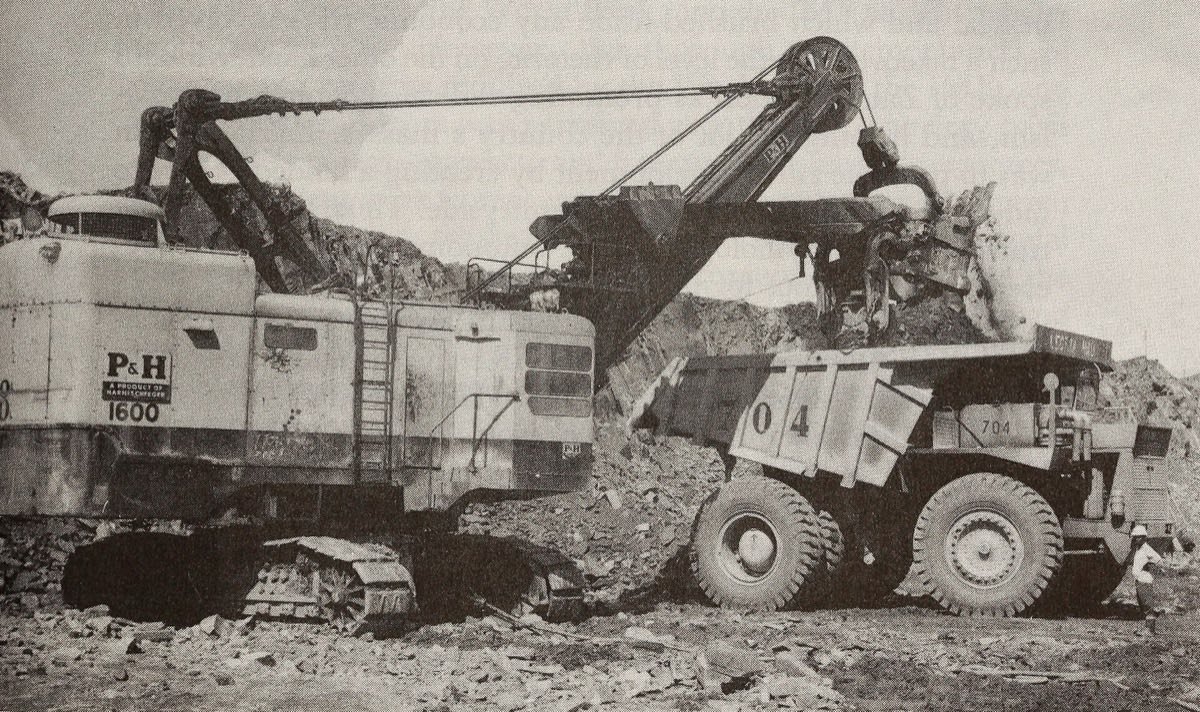
Field notes: Kamoa-Kakula Copper Mine
The world's fastest-growing major copper mine, reshaping the DRC's mining landscape.
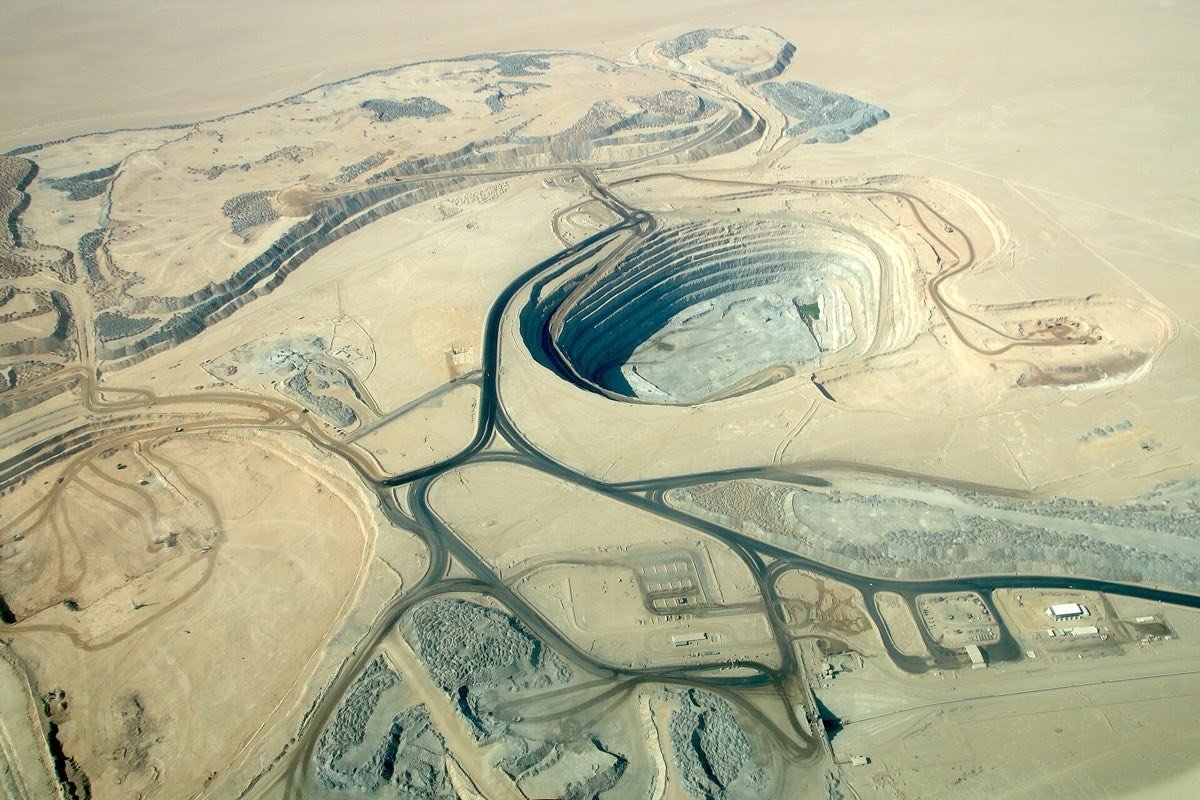
Field notes: Husab Uranium Mine
The world's second-largest uranium mine, powering the global nuclear energy supply from Namibia's Erongo Region.