Field notes: Dangote Petroleum Refinery
Africa's largest oil refinery — reshaping energy independence on the continent.
By SabiVerse editorial28 Sept 20261 min read
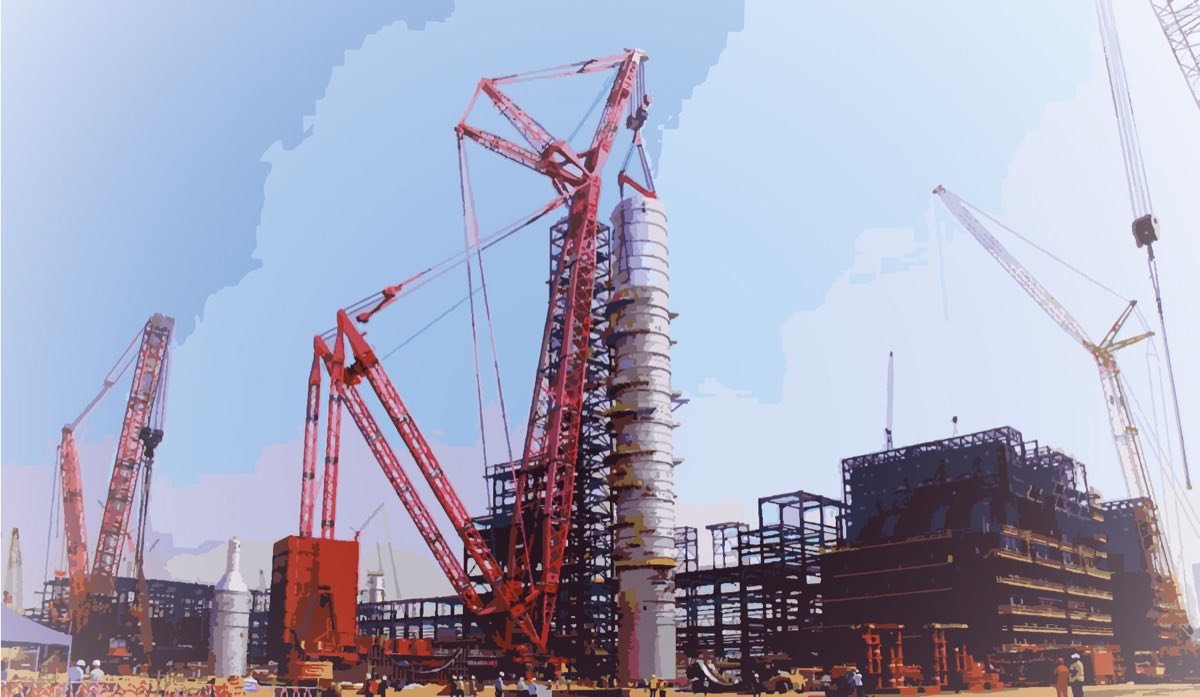
The Dangote Petroleum Refinery is a 650,000 barrels-per-day integrated refinery and petrochemical complex located in the Lekki Free Trade Zone near Lagos, Nigeria. Developed by Dangote Industries Limited, it is the largest single-train refinery in the world and the largest in Africa. The project aims to transform Nigeria from a net importer of refined petroleum products to a self-sufficient producer and potential exporter, fundamentally changing the energy economics of West Africa. The refinery sits on 2,635 hectares of land with direct deep-sea port access, and includes a 435 MW captive power plant capable of powering a small city.
Africa's largest oil refinery — reshaping energy independence on the continent.
What the project is trying to do
- 1Achieve energy self-sufficiency for Nigeria by refining crude oil domestically instead of exporting raw crude and importing refined products
- 2Eliminate Nigeria's dependence on imported refined petroleum products, which previously cost the country over $10 billion annually in foreign exchange
- 3Create over 100,000 direct and indirect jobs across the entire value chain from construction through full operations
- 4Produce Euro-V quality fuels that meet international emission standards for cleaner air in African cities
- 5Supply petrochemical feedstock including polypropylene to local manufacturing industries, reducing import dependency for plastics and packaging
- 6Position Nigeria and West Africa as a net exporter of refined petroleum products for the first time in history
What it means for people nearby
The refinery is projected to save Nigeria over $10 billion annually in foreign exchange that was previously spent importing refined fuel products. It has created tens of thousands of skilled jobs and is catalyzing downstream industries in plastics, manufacturing, packaging, and logistics across West Africa. By producing Euro-V quality fuels domestically, it also reduces the environmental impact of lower-grade imported fuels that previously dominated the Nigerian market.
Where it stands
2025: Full Capacity Ramp-Up & Petrochemicals. Progressive ramp-up toward full 650,000 bpd processing capacity with all secondary units operational. Polypropylene production begins for domestic and export markets. Refinery targets processing multiple crude grades including Nigerian Bonny Light, Forcados, and Escravos blends. Current status: Ongoing.
Draft: this article is built from our project database entry and has not yet completed the seven-step verification process. How we verify