Field notes: OCP Jorf Lasfar Fertiliser Complex
The world's largest phosphate fertiliser processing hub — anchoring Morocco's global leadership.
By SabiVerse editorial8 Sept 20261 min read
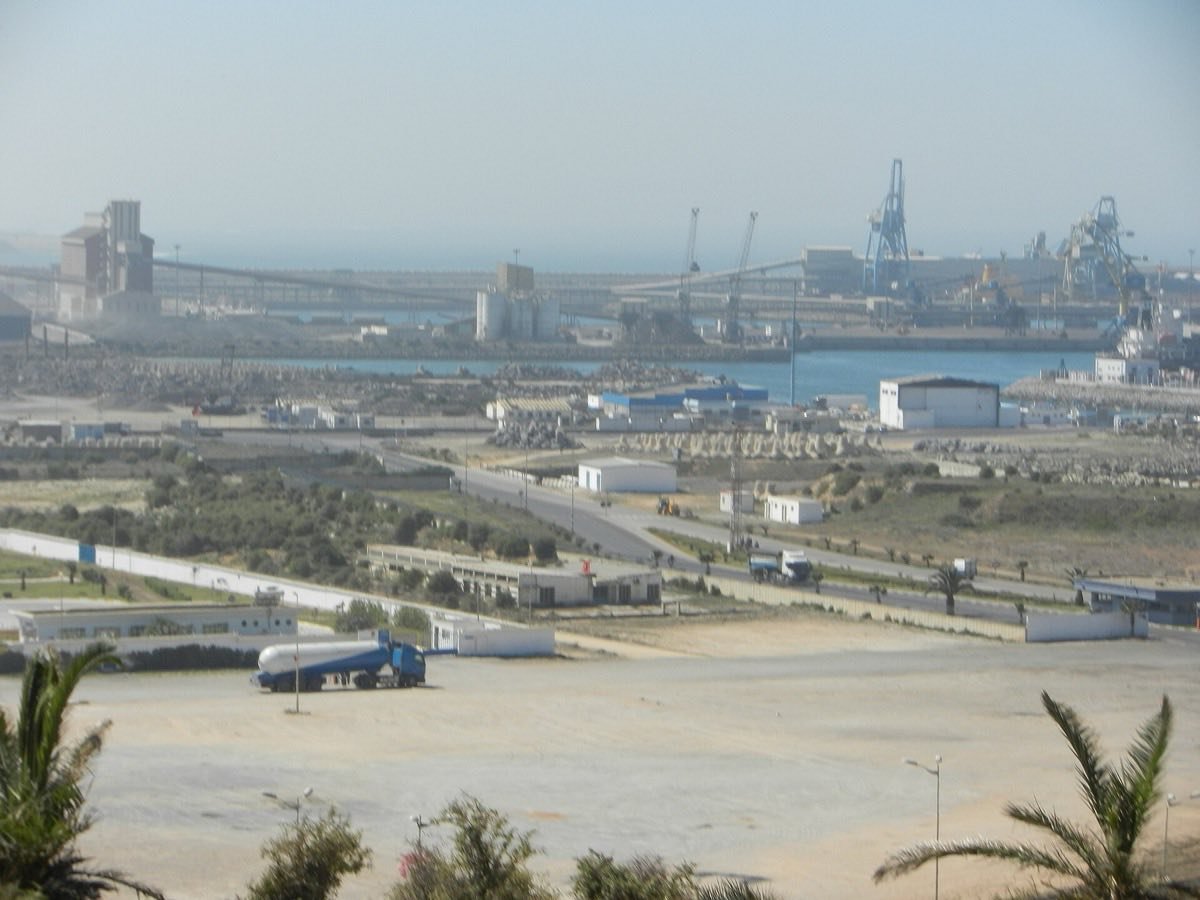
The OCP Jorf Lasfar complex is the world's largest integrated phosphate fertiliser production platform, located on the Atlantic coast near El Jadida, Morocco. Operated by OCP Group (Office Chérifien des Phosphates), the site produces phosphoric acid, diammonium phosphate (DAP), triple superphosphate (TSP), and NPK compound fertilisers. Morocco holds approximately 70% of the world's proven phosphate reserves, and OCP is the world's largest phosphate exporter. The Jorf Lasfar complex, combined with the OCP Group's mining operations at Khouribga, forms the backbone of Morocco's phosphate value chain, generating billions in export revenue annually.
The world's largest phosphate fertiliser processing hub — anchoring Morocco's global leadership.
What the project is trying to do
- 1Produce over 10 million tonnes per year of phosphate fertiliser products for global export markets
- 2Maximise value addition from Morocco's phosphate rock reserves through downstream chemical processing
- 3Supply affordable fertiliser to African farmers through the OCP Africa subsidiary initiative
- 4Achieve environmental leadership in phosphate processing through desalination, solar power, and waste recovery
- 5Maintain Morocco's position as the world's largest phosphate fertiliser exporter
- 6Develop innovative customised fertiliser blends tailored to specific soil conditions across Africa
What it means for people nearby
OCP Group is the world's largest phosphate fertiliser exporter, with the Jorf Lasfar complex serving as its primary processing hub. The group contributes approximately 5% of Morocco's GDP and is the country's largest employer with over 20,000 direct employees. Through OCP Africa, the company has provided soil-specific fertiliser solutions to over 3 million smallholder farmers across sub-Saharan Africa, directly improving crop yields and food security. The slurry pipeline alone saves over 3 million tonnes of CO2 emissions annually compared to truck transport.
Where it stands
2025: Capacity Expansion to 2030 Targets. Ongoing expansion programmes targeting 20 million tonnes of total fertiliser capacity by 2030 across all OCP processing sites, with Jorf Lasfar as the primary hub. Current status: Ongoing.
Draft: this article is built from our project database entry and has not yet completed the seven-step verification process. How we verify