Field notes: Addis Ababa Light Rail Transit
Sub-Saharan Africa's first modern light rail system, carrying over 100,000 passengers daily in Ethiopia's capital.
By SabiVerse editorial31 Aug 20261 min read
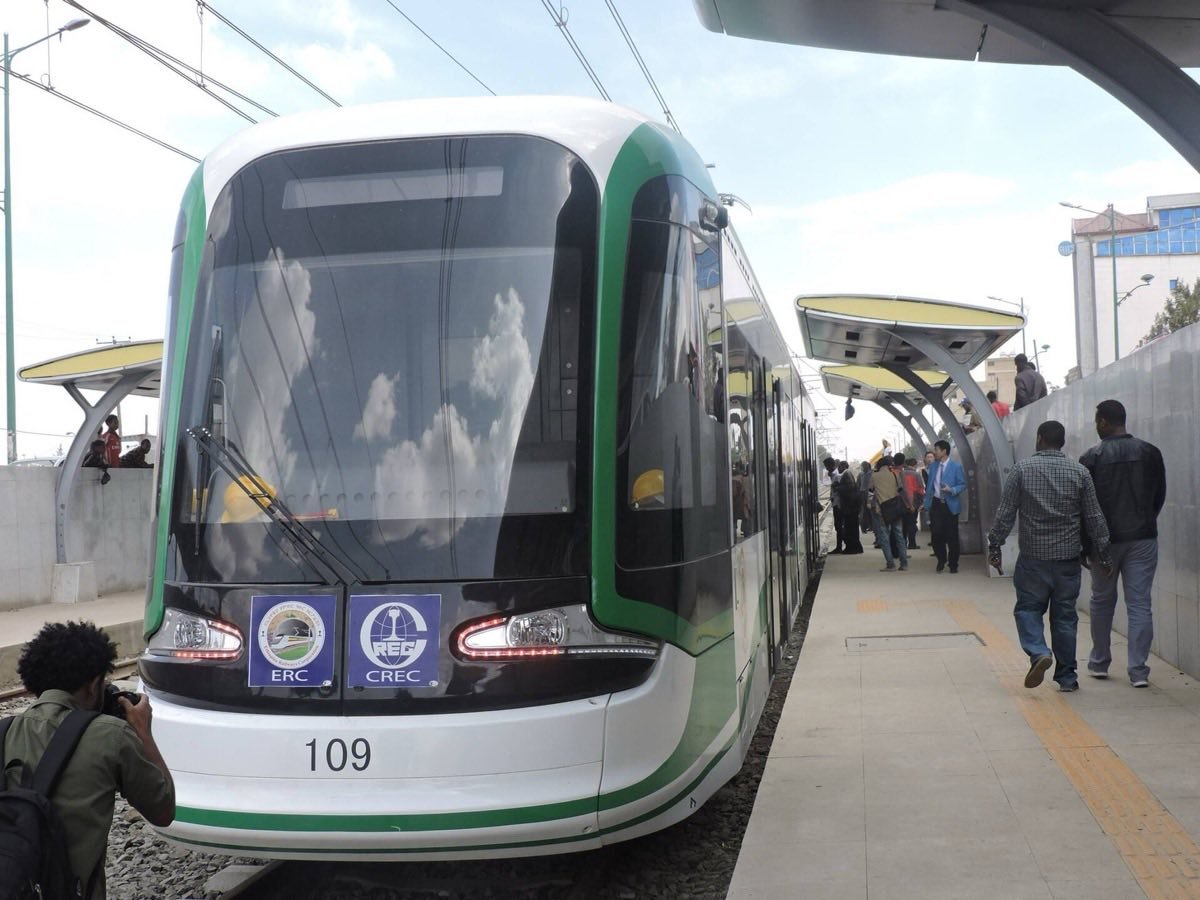
The Addis Ababa Light Rail Transit (AA-LRT) is sub-Saharan Africa's first operational light rail system. Built by the China Railway Group at a cost of $475 million, the system comprises two lines totalling 31.6 km with 39 stations. Opened in September 2015, it was designed to carry up to 60,000 passengers per hour per direction and has significantly eased traffic congestion in one of Africa's fastest-growing capitals, which has a population exceeding 5 million.
Sub-Saharan Africa's first modern light rail system, carrying over 100,000 passengers daily in Ethiopia's capital.
What the project is trying to do
- 1Provide affordable mass transit for Addis Ababa's rapidly growing population
- 2Reduce severe road congestion and commute times across the capital
- 3Lower transportation costs for low- and middle-income residents
- 4Reduce vehicle emissions and improve urban air quality
- 5Serve as a catalyst for transit-oriented urban development
- 6Demonstrate the viability of modern rail transit in sub-Saharan Africa
What it means for people nearby
The AA-LRT carries an average of 100,000–120,000 passengers per day, providing affordable transit at fares starting from 2–6 Ethiopian Birr (under $0.15). It has removed an estimated 50,000 vehicle trips daily from Addis Ababa's roads and created over 13,000 construction jobs and 2,000 permanent positions. The system serves as a proof of concept for urban rail in sub-Saharan African cities.
Where it stands
2025: Expansion Planning. Feasibility studies for extensions to satellite towns and integration with the Addis Ababa BRT are underway. Current status: Ongoing.
Draft: this article is built from our project database entry and has not yet completed the seven-step verification process. How we verify
Read next
Field notes: Kamoa-Kakula Copper Mine
The world's fastest-growing major copper mine, reshaping the DRC's mining landscape.
Field notes: Husab Uranium Mine
The world's second-largest uranium mine, powering the global nuclear energy supply from Namibia's Erongo Region.
Field notes: Simandou Iron Ore Project
The world's largest untapped high-grade iron ore deposit, poised to transform Guinea's economy.