Field notes: Lekki Deep Sea Port
Nigeria's first deep-sea port, designed to become West Africa's premier maritime gateway.
By SabiVerse editorial18 Sept 20261 min read
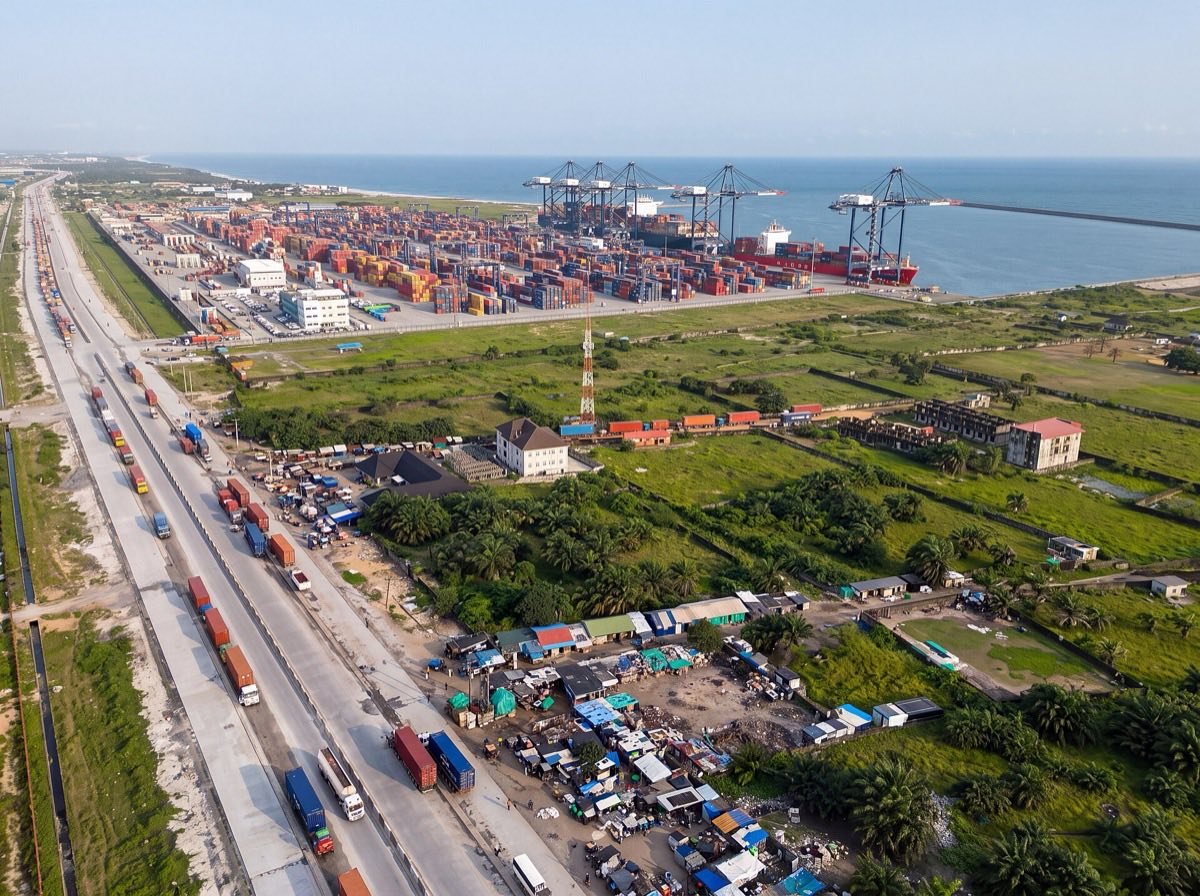
The Lekki Deep Sea Port is Nigeria's first deep-water port, located within the Lekki Free Trade Zone approximately 65 km east of Lagos city centre. Built at a cost of around $1.5 billion, the port features a 16.5-metre draught capable of receiving the largest container vessels. Officially inaugurated in January 2023, it is operated by Lekki Freeport Terminal under a 45-year concession and is designed to handle 2.7 million TEU of containers at full build-out, dramatically reducing Nigeria's reliance on the congested Apapa and Tin Can Island ports.
Nigeria's first deep-sea port, designed to become West Africa's premier maritime gateway.
What the project is trying to do
- 1Provide Nigeria with a deep-water port capable of receiving Post-Panamax and larger vessels
- 2Reduce congestion at Lagos's existing Apapa and Tin Can Island ports
- 3Serve as an economic anchor for the Lekki Free Trade Zone, attracting manufacturing and logistics investment
- 4Capture trans-shipment traffic currently going to ports in Togo, Ghana, and Côte d'Ivoire
- 5Create thousands of direct and indirect jobs in Lagos State
- 6Boost Nigeria's non-oil export capacity and reduce import costs
What it means for people nearby
The port is projected to contribute over $360 billion to Nigeria's GDP over its 45-year concession period and generate up to 170,000 direct and indirect jobs. By offering deep-water access, it prevents Nigeria from losing an estimated $10 billion annually in trans-shipment revenue to neighbouring countries. The port has already begun reducing truck congestion in Lagos by diverting cargo away from the heavily burdened Apapa corridor.
Where it stands
2025: Phase 2 Expansion Planning. Planning commenced for Phase 2 capacity expansion including additional berths and liquid bulk terminal. Current status: Ongoing.
Draft: this article is built from our project database entry and has not yet completed the seven-step verification process. How we verify
Read next
Field notes: Kamoa-Kakula Copper Mine
The world's fastest-growing major copper mine, reshaping the DRC's mining landscape.
Field notes: Husab Uranium Mine
The world's second-largest uranium mine, powering the global nuclear energy supply from Namibia's Erongo Region.
Field notes: Simandou Iron Ore Project
The world's largest untapped high-grade iron ore deposit, poised to transform Guinea's economy.